🚀 Starting a Gas Business in Kenya: Costs, Steps & Profitability
Introduction
The demand for LPG (Liquefied Petroleum Gas) in Kenya continues to grow as households and businesses shift from traditional fuels to cleaner energy. This presents a lucrative opportunity for entrepreneurs interested in starting a gas business. Whether you’re considering a small refilling station or becoming a distributor, understanding the costs, requirements, and profitability is essential.
💰 How Much Do You Need to Start?
Starting a gas business in Kenya requires capital for:
- Licensing and permits from the Energy and Petroleum Regulatory Authority (EPRA).
- Gas cylinders and stock (6kg, 13kg, and larger sizes).
- Refilling equipment and safety gear.
- Storage and distribution facilities.
On average, initial costs range between KES 200,000 – 500,000, depending on scale.
👉 Related guide: Gas Cylinder Prices in Kenya
🛠️ Steps to Start a Gas Refilling Business
- Register your business with the relevant authorities.
- Obtain EPRA licenses for handling LPG.
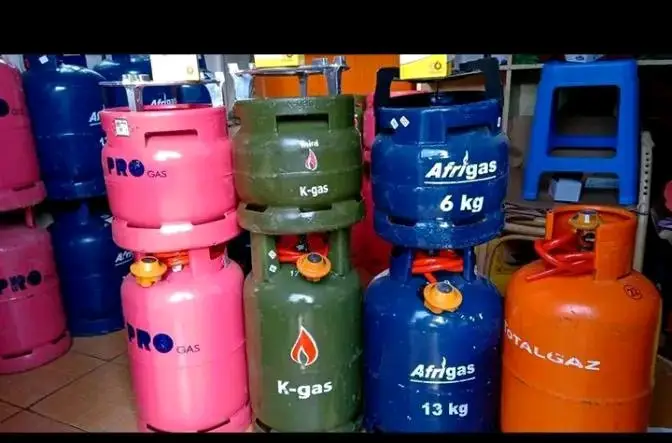
- Secure suppliers (brands like K-Gas, Pro Gas, Rubis, Afrigas, Total).
- Set up a safe storage facility with fire safety compliance.
- Market your services locally, focusing on delivery and affordability.
👉 Learn more: Gas Refill Prices in Kenya
📈 Is Gas Business Profitable in Kenya?
Yes — LPG demand is rising due to affordability and convenience. Profit margins depend on:
- Cylinder deposits (empty cylinder sales).
- Refill margins (difference between wholesale and retail).
- Delivery services (charging extra for convenience).
👉 Explore: Empty Gas Cylinder Prices in Kenya
🔍 Choosing the Right Market
Urban centers like Nairobi, Mombasa, and Embu have high demand, but competition is stiff. Rural areas offer growth opportunities with less competition but require strong distribution networks.
👉 Compare: Best Gas Brands in Kenya
✅ Conclusion
Starting a gas business in Kenya is a promising venture with strong demand and profitability. By understanding startup costs, licensing requirements, and market dynamics, entrepreneurs can build a sustainable LPG business.
For deeper insights, check out: