start a cooking gas retail business with a capital of Ksh 50k (2026 LPG BUSINESS GUIDE)

Updated September 6, 2026 By Kegas Dealers

How to Start a Gas Refill Business in Kenya With KSh 50,000

Last updated: September 2026

Starting a cooking-gas retail business in Kenya with KSh 50,000 may be possible with a lean stock plan, a suitable location and a reliable LPG supplier. Your actual startup budget will depend on the business premises, county requirements, safety equipment, LPG brands, opening inventory, delivery plan and working capital.

This guide explains how to start a small gas refill business in Kenya, plan your stock, understand licensing support, attract customers and estimate an illustrative daily gross-profit scenario. It is an independent business guide and does not guarantee income or government approval.

Quick answer: KSh 50,000 can support a lean starter stock plan, but it may not cover every cost of opening a fully compliant LPG retail business. Keep part of your budget for permits, safety, premises, delivery, marketing and day-to-day operating costs.

Can You Start a Gas Refill Business in Kenya With KSh 50,000?

Yes, you may be able to start with KSh 50,000 if you begin with a small, fast-moving stock mix, choose a suitable location and manage costs carefully. However, the amount may not cover every requirement in every county, particularly rent, premises deposits, permits, safety equipment and working capital.

Do not put all of your capital into cylinders and complete sets. A new LPG retailer should keep a cash buffer for delivery, signage, communication, local marketing and unexpected business costs.

1. Choose a Safe, High-Demand Location

Choose a lawful business premises near a settled residential area, estate, market centre or growing town where households regularly use LPG. The right location should be accessible to customers, suitable for safe LPG storage and capable of meeting the relevant county and regulatory requirements.

Before paying rent or a deposit, assess household density, local demand, customer buying patterns, supplier-delivery access, security, nearby competitors, rent and the suitability of the premises for the approvals you may need.

Smaller towns and growing market centres can offer lower rent than major urban areas. However, never choose a location on price alone; consistent customer demand, safe operations and convenient access matter more than cheap rent.

2. Research Demand and Competition

Research the area before buying stock. Visit at different times of the day and identify the LPG brands, cylinder sizes, refill prices, delivery practices and customer-service standards already available.

Competition does not automatically make a location unprofitable. You can win customers through reliable stock, professional customer care, clear prices, convenient delivery, suitable opening hours and fast response to calls or WhatsApp enquiries.

  • Ask local households which LPG brands and cylinder sizes they use most often.
  • Identify products competitors frequently run out of.
  • Compare delivery fees, turnaround times and customer-service quality.
  • Look for unmet needs, including evening service, emergency delivery or common accessories.

3. Plan Your KSh 50,000 Startup Budget

The example below is an illustrative opening-stock budget. Confirm current supplier prices before placing an order because cylinder, refill and accessory costs can change.

ItemIllustrative QuantityIllustrative Unit CostIllustrative Total
6 kg complete gas sets10KSh 2,800KSh 28,000
13 kg complete gas sets3KSh 5,400KSh 16,200
Illustrative opening stock totalKSh 44,200

This illustrative stock plan leaves KSh 5,800 from a KSh 50,000 budget. That balance may not cover all rent, permit, safety, delivery, signage and operating costs, so adjust your stock plan or raise extra working capital where necessary.

For current stock availability and wholesale quotations, contact KeGasDealers before making your purchase plan.

4. Select a Practical Stock Mix

Stock the cylinder sizes and brands that customers in your chosen area already request. In many Kenyan households, 6 kg and 13 kg LPG cylinders are common, but demand differs by neighbourhood, income level and available brands.

  • Start with manageable quantities of fast-moving 6 kg and 13 kg products.
  • Ask customers which brands and cylinder sizes they already use before purchasing stock.
  • Stock compatible, quality accessories such as regulators, hose pipes, burners and cookers where appropriate.
  • Avoid tying all your money in slow-moving products or excess accessories.
  • Buy authentic cylinders and LPG products through an authorised supply chain.

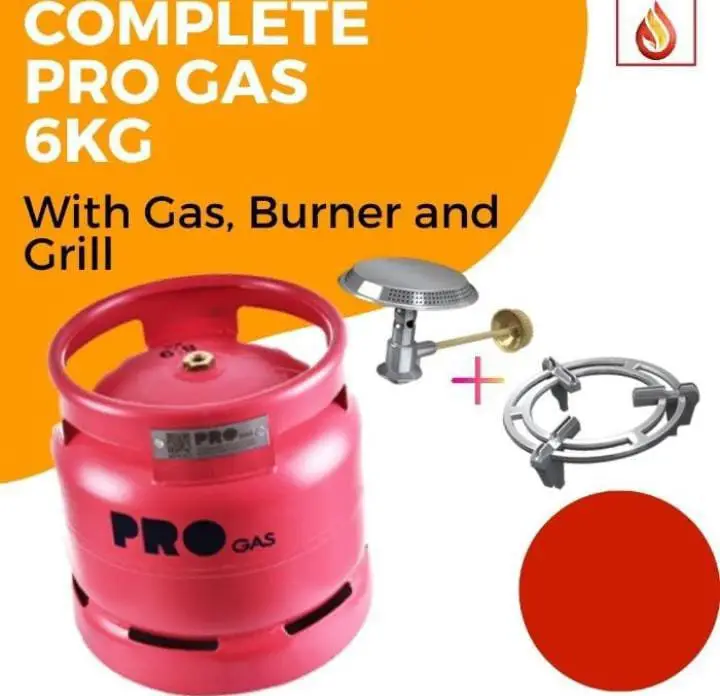
KeGasDealers supplies wholesale LPG cylinders, complete sets and selected accessories for qualifying gas retailers. See current options in our Kenya wholesale gas cylinder price guide.

Empty 6kg gas cylinder prices in Kenya | KSh 1,300–1,750
An empty 6kg gas cylinder costs between KSh 1,300 and KSh 1,750 in Kenya, depending on the brand. K-Gas and Total Gas empty 6kg cylinders sell for KSh 1,750, Afrigas, Ola Mpishi, ProGas and Hass cost KSh 1,550, and brands such as Lakegas, Nuru Gas, Mengas, Hashi, Wajiko, Amaan, KeyGas, Taifa Gas and Marangi cost KSh 1,300.
See Empty 6kg gas cylinders Full Price List →

5. Gas Business Licensing, Compliance and Safety Support

Starting a gas business involves more than buying cylinders. Before opening, confirm the permits, premises conditions, safety requirements and business approvals that apply to your county and retail model.

  • Use lawful business premises suitable for LPG retail and storage.
  • Obtain the county permits and approvals applicable to your business.
  • Follow applicable fire-safety and emergency-preparedness requirements.
  • Use suitable, verified equipment where weighing or measurement requirements apply.
  • Source authentic cylinders and products through authorised, compliant suppliers.
  • Do not decant, tamper with or handle LPG cylinders in an unsafe or unauthorised manner.

KeGasDealers supports qualifying new gas-business customers with the licensing and compliance application process. We guide customers on the relevant government application requirements, help prepare supporting documentation and provide supplier or brand-authorisation documents where applicable.

Important: Licences, permits and approvals are issued by the relevant government authorities after their review of the application and premises. KeGasDealers supports the application process but does not guarantee approval.

Read our related guide: EPRA LPG retail licence requirements in Kenya.

6. Set Up Sales, Marketing and Delivery

Customers usually choose a gas retailer based on trust, availability, convenience, safe handling and price. Display your business name and phone number clearly, respond to customer enquiries promptly and communicate stock availability, delivery areas and opening hours consistently.

  • Use clear, honest pricing for refills, cylinders, complete sets and accessories.
  • Answer customer calls and WhatsApp messages promptly.
  • Offer local delivery only when you can transport cylinders safely and lawfully.
  • Build repeat sales through reliable stock, respectful customer care and accurate orders.
  • Track daily sales, supplier prices, stock movement, customer demand and delivery expenses.
  • Use local signage, referrals and customer contacts—with permission—to promote your business.

Is a Gas Refill Business Profitable in Kenya?

A cooking-gas business can be profitable when it has a suitable location, reliable authorised supply, competitive refill prices, repeat customers, good stock management and controlled delivery costs. Profit is not guaranteed: actual results depend on sales volume, supplier prices, rent, staffing, transport, payment charges, licences and local competition.

The example below shows an illustrative daily gross-profit estimate for a new LPG retail business. It is not a promise of income and does not represent net profit.

Example: Daily Gross Profit From Gas Refills

Assume the business sells seven 6 kg refills and three 13 kg refills in one day:

ProductQuantity SoldWholesale Refill CostSelling PriceGross Profit Per UnitEstimated Daily Gross Profit
6 kg gas refill7KSh 660KSh 1,050KSh 390KSh 2,730
13 kg gas refill3KSh 1,430KSh 2,400KSh 970KSh 2,910

Estimated gross profit from refills: KSh 5,640 per day.

Example: Daily Gross Profit From Complete Gas Sets

Complete-set margins vary by LPG brand, supplier price, regulator, hose, burner or cooker included, and local selling price. In this example:

ProductQuantity SoldEstimated Gross Profit Per UnitEstimated Daily Gross Profit
6 kg gas cylinder complete set2KSh 500–900KSh 1,000–1,800
13 kg gas cylinder complete set1KSh 1,200–1,500KSh 1,200–1,500

Estimated gross profit from complete sets: KSh 2,200–3,300 per day.

Example: Daily Gross Profit From LPG Accessories

If the shop also sells regulators, hose pipes, burners, cookers and other compatible accessories, an illustrative daily gross-profit estimate could be about KSh 900. Actual margins vary by product, brand, purchase cost and selling price.

Estimated Daily Gross Profit

Income SourceEstimated Daily Gross Profit
Gas cylinder refillsKSh 5,640
Complete gas setsKSh 2,200–3,300
Gas accessoriesAbout KSh 900
Total estimated daily gross profitKSh 8,740–9,840

Important: This is gross profit before business expenses. To estimate net profit, deduct rent, staff wages, transport and delivery costs, fuel, M-Pesa charges, marketing, permits and licences, taxes, damaged stock, equipment, and other operating expenses.

For current wholesale cylinder, refill and complete-set prices, contact KeGasDealers before planning your stock or setting retail prices because LPG prices can change.

Frequently Asked Questions

Can I start a gas refill business with KSh 50,000 in Kenya?

You may be able to start with KSh 50,000 using a lean stock plan, but the budget may not cover all premises, compliance, safety and operating costs. Confirm local requirements and current supplier prices before committing your funds.

How much do I need to start a gas business in Kenya?

The amount depends on your location, stock mix, permits, premises, safety requirements, delivery plan and working capital. KSh 50,000 can support a small inventory example, but many businesses need additional funds for a fully compliant launch and operating buffer.

Is a gas refill business profitable in Kenya?

It can be profitable when the business maintains sales volume, controls expenses, uses a reliable authorised supplier and serves repeat customers. Profit varies by location, supplier cost, retail prices, rent, delivery and competition.

How much profit can a gas refill shop make per day?

In the illustrative sales scenario in this guide, estimated daily gross profit ranges from KSh 8,740 to KSh 9,840 before expenses. This is not guaranteed income or net profit.

What is the profit on a 6 kg gas refill?

Using the illustrative figures in this guide, a 6 kg refill bought at KSh 660 and sold at KSh 1,050 produces KSh 390 gross profit per refill. Current supplier and retail prices may differ.

What is the profit on a 13 kg gas refill?

Using the illustrative figures in this guide, a 13 kg refill bought at KSh 1,430 and sold at KSh 2,400 produces KSh 970 gross profit per refill. Current supplier and retail prices may differ.

What requirements are needed to start a gas refill business in Kenya?

Requirements depend on the county, premises and business model. Common areas include lawful premises, relevant county permits, fire-safety compliance, suitable equipment and an authorised LPG supply chain. Confirm current requirements with the relevant authorities before opening.

Does KeGasDealers help customers get gas business licences in Kenya?

Yes. KeGasDealers supports qualifying new gas-business customers through the licensing and compliance application process, including guidance on supporting documents and applicable supplier or brand-authorisation documents. Final licences, permits and approvals are issued by the relevant government authorities after their review.

Start With Current Wholesale Prices

KeGasDealers supplies LPG cylinders, complete sets and selected accessories to qualifying gas retailers. Ask for current availability, wholesale prices, minimum quantities, licensing-support information and delivery options before making your final business plan.

Contact KeGasDealers for current LPG wholesale prices, stock availability and gas-business licensing support

5/5 - (5 votes)
💬 📞
×

Cart